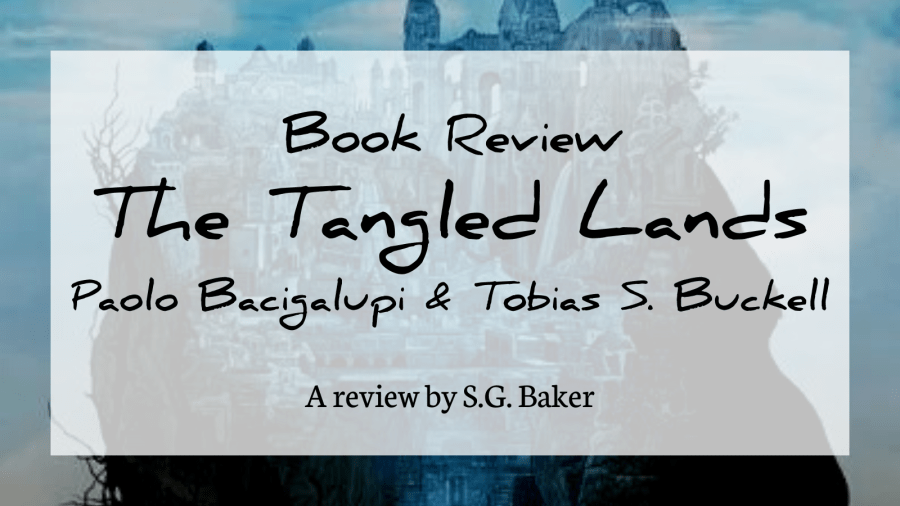
Introduction
The narrative of The Tangled Lands, written by Paolo Bacigalupi and Tobias S. Buckell, follows the separate but intertwined stories of a handful of people living in or attempting to leave the Blue City, so named for the blue fires whose smoke detects those who have recently used magic. Choked with bramble and briar, the world features mere pockets of civilization, a far cry from the past, when mages and kings lived in floating castles and anyone with a spellbook could cast a spell. For casting magic brings on the bramble, and once the bramble arrives, it remains.
The clutch of stories within this anthology examines life in such a place, following the suffering, struggle, loss, overcoming, and hope. But not always in the ways you expect. In The Tangled Lands, hope almost always comes snarled up in loss.
Review
Of the short-stories presented, my favorite followed the tale of the Executioness, wherein her search for her kidnapped sons leads her to learn to fight, raise an army of women, and topple a small empire. I loved her no-nonsense manner of interacting with others and her unwillingness to see herself as anyone but a butcher from the Blue City, even as she becomes elevated throughout her journey.
As The Tangled Lands falls firmly within the realm of adult fantasy, I had no delusions going in of how gritty the descriptions could get. Frankly, there’s a lot of brutal death. As well, many instances of the nature of consequences in an incredibly unfair existence. Yet none of the short-stories left me feeling hopeless. In spite of the nihilistic nature of reality for the characters, their stories always represented the possibility of hope or peace or acceptance. A small, flickering reward for the struggle.
Readers will appreciate the very human nature of each of the characters. Their complicated relationships with their families, their willingness to fight to survive even as the odds stack against them. And the impressive twists that keep you hoping things will turn out alright, even as you suspect they will not.
Conclusion
In reading The Tangled Lands, I found myself fascinated with the conflict between the danger of using magic and the desperate need for it. I couldn’t help but compare this central problem to the danger of wringing out earth’s natural resources to the (perceived) desperate need of many to continue using them. We look back at past empires and admire them, then look toward a bleak future, knowing that a little dabble now will harm someone else, but that in the end, our actions will come back to bite us as the consequences become all-encompassing.
This book felt like it was made as an intersection of many of my personal interests. I don’t know who out there may have my exact reading tastes, but I would happily recommend The Tangled Lands for others to read.

Thanks for reading!
Subscribe for new stories, sneak peeks, book reviews, and updates delivered to your inbox and social feeds.
Summer’s Latest
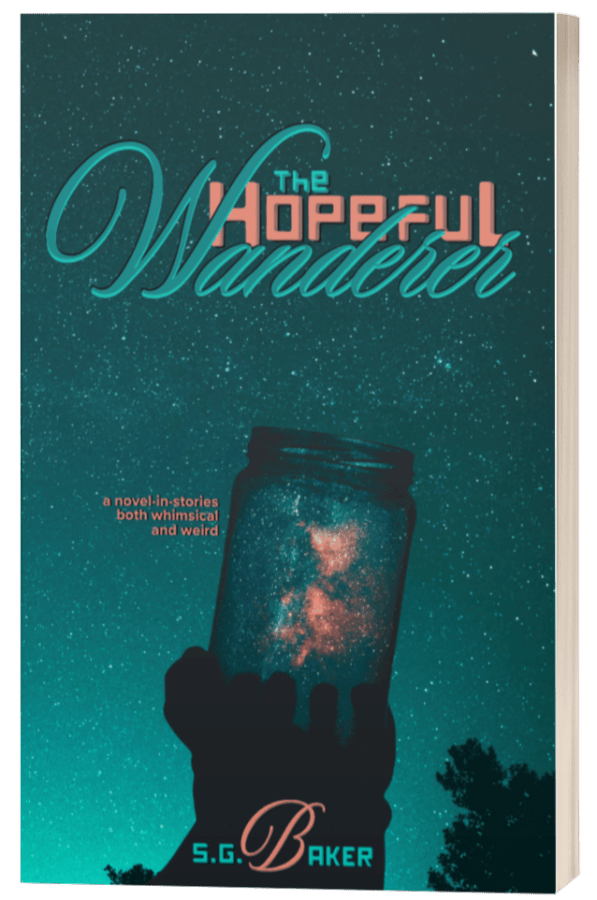
The Hopeful Wanderer
Wander a world driven from mundane to magical by a secret hidden at its heart.
A slow apocalypse has corroded a distant planet, with the uncanny living in uneasy commune alongside those remaining. On a forgotten quest from the stars, the Wanderer roams among them, through crumbling societies and vibrant wildernesses, navigating a murky path toward an incredible past.
While helping and receiving help-or hindrance-from strange denizens of unusual destinations, the Wanderer must finish righting a wrong that threatens to extinguish the universe itself. Should memory of the responsibility return at all.
Featuring
- 100 Hopeful Wanderer tales
- 20 new short stories
- 10-episode revelatory ending
- 100% revised and expanded
A far-future science fantasy with sub-tones of soft-apocalypse and climate change, this hopeful adventure combines exploration, eeriness, and wonder across 100 short tales.
Join readers who loved the web series and journey alongside them in discovering the Wanderer’s wondrous past and hopeful mission to save the stars.
Woven through with themes of acceptance, kindness, beauty in difference, and the wonder and strangeness of nature, this story will charm and delight readers of Mushishi by Yuki Urushibara and fans of The CryptoNaturalist and Strange Animals by Jarod K. Anderson.
“I love how varied the experiences were. The heartwarming stories mixed right in with the unsettling and strange is a perfect picture of life. The underlying story for why this is all happening was absolute perfection…Definitely one of the more unique story collections I have read. I really enjoyed it!”
—Amanda K. Collier, ARC Reader, The God of the Backrooms
“This is a whimsical yet potent selection of interwoven short stories about a Wanderer searching for something they once held dear. This book is filled with beauty, sadness, monsters, brilliant deadly things, and hope. You cannot forget the hope. This is a book for those that want to touch the stars.”
—Laci McGee, ARC Reader, McGee Travel Tales
“Every part of S.G. Baker’s collection The Hopeful Wanderer has purpose. Sometimes obvious, other times layered and more hidden…Every vignette deserves mental, cognitive, and emotional scrutiny. The fragmentation we experience shines a bright light — bringing visible things wondrous, frightening, and difficult to explain…This is the type of book that begs you to engage beyond the plot and rewards you with more questions.”
—Jason Brown, ARC Reader, Toastx2
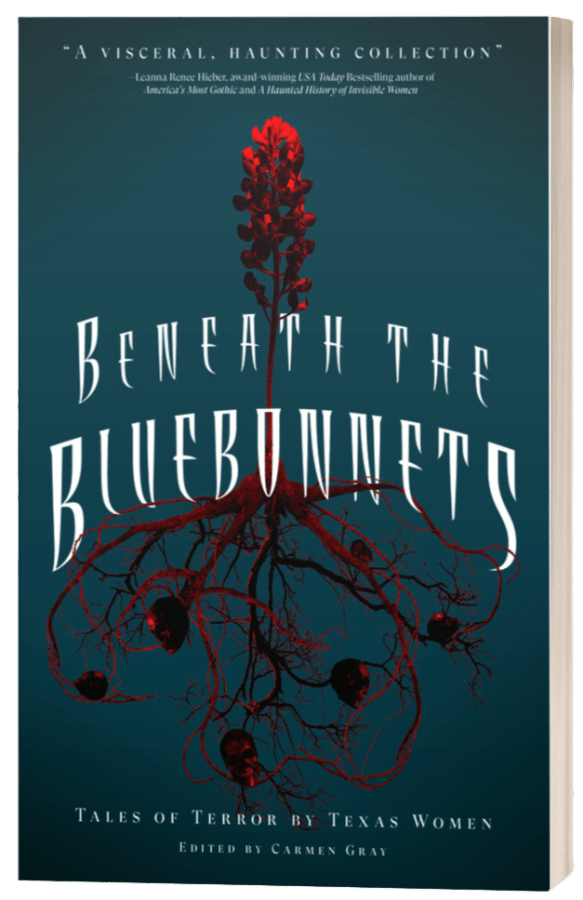
Beneath the Bluebonnets: Tales of Terror by Texas Women
Read my eco-horror short “Well Being” in this fabulous new anthology, in which a mother follows strange impulses from tainted water to find her daughter.
From Mary Shelley to Tananarive Due and Mariana Enríquez, women have long shaped horror—often without equal recognition. Living closest to the genre’s edge, women know these fears firsthand: lost autonomy, violence, childbirth, survival.
Set in Texas, a land of haunted histories and increasingly restrictive laws, Beneath the Bluebonnets emerges from the raw intersection of terror and endurance. Written by twelve Texas women writers: R. J. Joseph, Lauren Oertel, L.H. Phillips, Kathleen Kent, Madison Estes, Jess Hagemann, Emma E. Murray, Jae Mazer, Iphigenia Strangeworth, Jacklyn Baker, S.G. Baker and edited by Carmen Gray, this collection is urgent, unflinching, and deeply haunting—stories that refuse to look away.
“A visceral, haunting collection that punches between beauty and terror, gore and catharsis, fury and justice.”
—Leanna Renee Hieber, award-winning, USA Today bestselling author of America’s Most Gothic and A Haunted History of Invisible Women
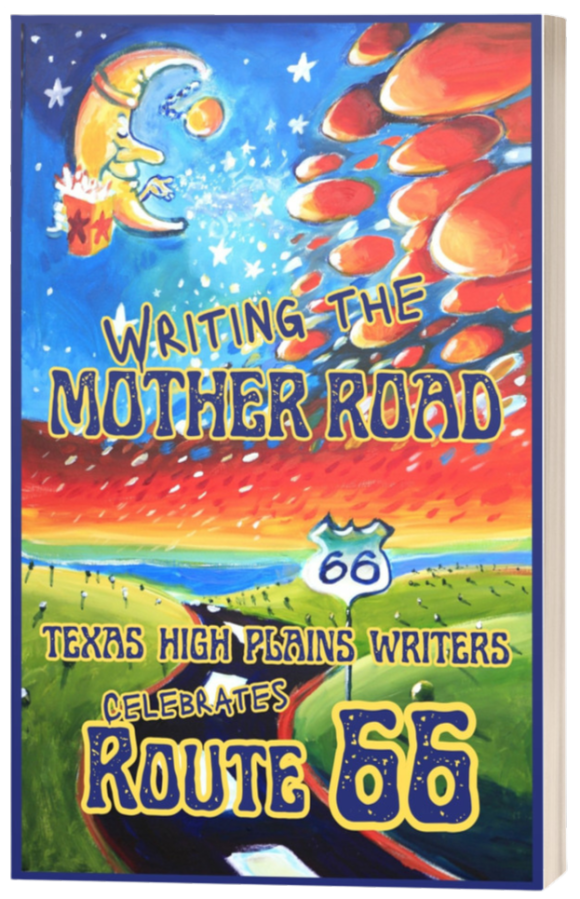
Writing the Mother Road: Texas High Plains Writers Celebrates Route 66
Route 66 isn’t just a highway—it’s a legend.
In Writing the Mother Road, the Texas High Plains Writers invite you to travel America’s most iconic stretch of pavement through a rich collection of short works inspired by the sights, stories, and spirit of Route 66. Inside these pages, you’ll find essays, memoirs, historical reflections, whimsical adventures, and imaginative tales ranging from science fiction to fantasy—all tied together by the culture and charm of the Mother Road.
For generations, Route 66 has fueled livelihoods, sparked creativity, and shaped the towns and travelers who crossed its path. Now, as the road approaches its centennial, this anthology celebrates the enduring heartbeat of the Texas Panhandle and the unforgettable road that helped define it.
“What a fun adventure! In honor of the centennial Celebration of Route 66, I thought I would grab a copy and wow! Fun stories, each one connected to the Mother Road. Recommend getting a copy and enjoying the history and lore!”
—Amazon Reviewer
Show Your Support
If you enjoy my writing, please consider leaving a tip. All amounts welcome!


